I help children with dyslexia learn to read.
One-to-one, using Sounds in Syllables, an Orton-Gillingham-based curriculum, in person in Apex, North Carolina and online across the country.
If reading has been hard for your child, you are in the right place.
What structured literacy teaches.
Reading has to be taught. It is not absorbed the same way as spoken language. The National Reading Panel found that systematic phonics instruction supports reading development broadly.1 For a student with dyslexia, the same patterns need to be taught outright rather than inferred, and often more intensively.
Every sound, pattern, and rule is taught by name. Nothing is assumed. Everything is taught.
Each new skill rests on one that is already secure, and earlier skills stay in practice. Nothing is introduced once and left behind.
Every concept is anchored in hearing, sight, and movement, all at once, so a student has more than one route to the same information.
What you have noticed is enough to start.
If reading has become the hardest part of the day, you do not need a diagnosis or the right vocabulary before you ask a question. Working out what is actually happening is the first part of the work, not something to finish before it starts.
I taught 3rd and 4th graders for six years before I could have named what I was looking at. Whatever you have noticed at home, around homework, or at bedtime, is a real starting point, even before anyone has a name for it.
Where to start if you are early in this →Meet Elizabeth.
I teach structured literacy one to one, in supervised training toward CALT certification. Six years in elementary classrooms in Minnesota and current North Carolina licensure sit behind the work, alongside the Orton-Gillingham training I am completing now.
Read more about Elizabeth →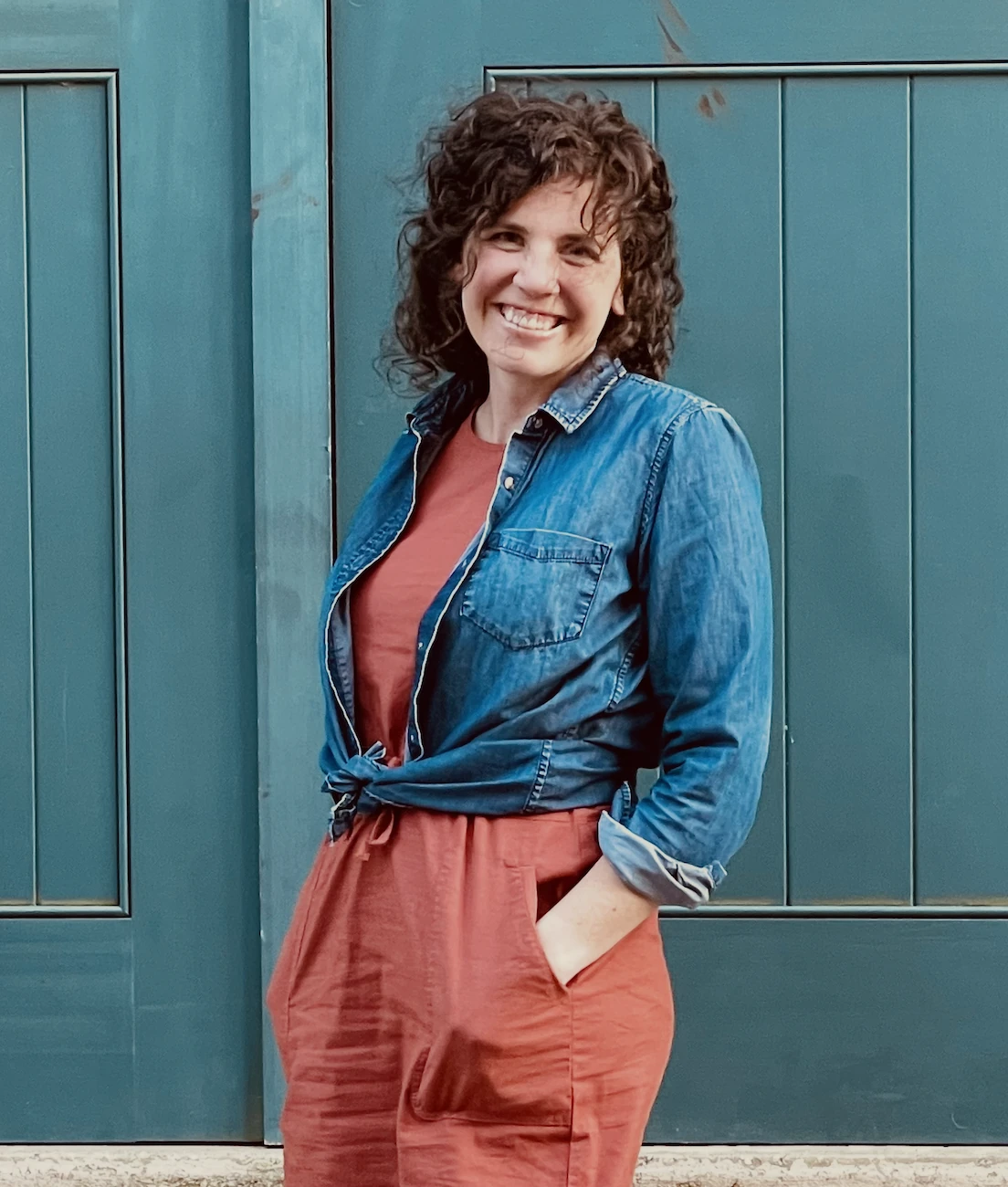
What working together looks like.
See the full process →Consultation
A free call about your child’s history and whether this work makes sense for them.
Assessment
A screening, or a review of testing you already have, to find the starting point.
Intervention
One to one, three times a week, building each skill on the one before it.
Progress
Regular updates on what we are working on and what the tracking shows.
Questions I hear most often.
What does Lantern Academic Interventions do?
I provide one-to-one structured literacy intervention for students with dyslexia, grounded in the Orton-Gillingham approach. The work teaches the underlying reading skills directly, in a fixed sequence.
Who is intervention for?
Students ages 7 to 18 who struggle with reading, whether or not they have a formal dyslexia diagnosis. An initial assessment establishes whether this approach suits them.
Do you work in person or online?
Both. Sessions run in person around Apex, Cary, and Raleigh, plus virtually for families elsewhere. The methodology is the same in either format.
Do we need a dyslexia diagnosis to start?
No. A diagnosis isn’t required to begin. If you have one, it’s helpful context. If you don’t, the initial assessment provides what’s needed to start.
How do we get started?
Begin with a free 30-minute consult to talk through where your child’s reading is and whether this work suits them. An assessment follows before intervention begins.

When you’re ready to start.
Schedule a free consult. We’ll spend 30 minutes understanding your child, your concerns, and whether structured literacy intervention is the right fit.
Book ConsultJust have a question?Support is also available for parents researching help, and for teachers and schools supporting a student with dyslexia.